
Search marketing has traditionally viewed products and services through the lens of keywords. However, people rarely purchase products for the product itself. They buy them because of a problem they are trying to solve, an outcome they hope to achieve, or a broader set of circumstances influencing their decisions.
A product is often just one part of a much larger story. It exists within a network of causes, motivations, situations, behaviours, and desired outcomes. To truly understand the value of a product or service, brands must understand the wider context in which it exists and the role it plays in a customer’s journey. Doing so requires a more deliberate and holistic perspective.
This is where Meaning Engineering comes in.
Meaning Engineering is the process of understanding and representing the network of causes, contexts, functions, situations, and desired outcomes that give meaning to a product or service from the customer’s perspective.
Unlike traditional SEO, which often begins with keywords, Meaning Engineering starts with concepts and the relationships that define them. Keywords become downstream expressions of those concepts rather than the starting point.
From Product to Concept
Let’s consider a simple example: protein bars.
Most brands focus on the product itself like its ingredients, protein content, flavours, or nutritional benefits. While these attributes are important, they only tell part of the story.
To understand the true meaning of a protein bar, we need to step back and examine the broader concept it represents. What causes someone to seek a protein bar? What outcomes are they hoping to achieve? In what situations is it consumed? What role does it play in their daily routine?
For one person, a protein bar may support muscle recovery after a workout. For another, it may be a convenient meal replacement during a busy workday. Others may choose one because of dietary restrictions, weight management goals, convenience while travelling, or simply as a way to satisfy hunger between meals.
Viewed through this lens, a protein bar stops being just a product and becomes a concept connected to a rich network of relationships. The causes behind purchasing a protein bar might include a busy lifestyle, fitness goals, or limited healthy food options. The desired outcomes may include muscle recovery, increased satiety, sustained energy, improved metabolism, or weight management.
By understanding and representing these relationships, brands move beyond simply describing products and begin aligning with how consumers mentally represent and experience them in the real world. This creates far more opportunities to develop content, products, and digital experiences that genuinely resonate with their audience.
A Simple Example
The two meta descriptions below illustrate how brands can position the same product very differently.
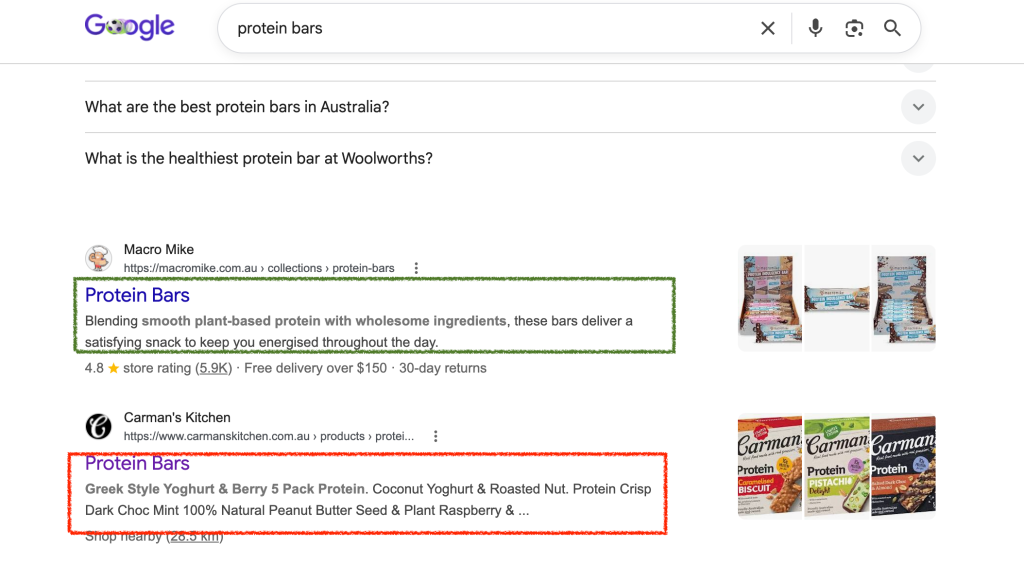
I appreciate that Google sometimes rewrites meta descriptions, so these examples are simply intended to demonstrate the principles discussed above.
The first example, from Macro Mike, begins by highlighting the ingredients, helping customers quickly determine whether the product aligns with their dietary preferences. More importantly, it states that the bars “deliver a satisfying snack to keep you energised throughout the day.”
This shifts the focus away from the product itself and towards the desired outcome. Macro Mike recognises that consumers are not searching for a protein bar simply because they want a protein bar. They are looking for more energy, greater convenience, or support in achieving their daily goals.
By communicating the outcome rather than just the product attributes, the brand creates a stronger connection with the customer’s underlying motivation.
In contrast, Carman’s Kitchen focuses primarily on the ingredients of the product. While informative, the description does little to communicate the situations, motivations, or outcomes associated with consuming a protein bar.
How Leading Brands Build Meaning
I also reviewed several of the highest-ranking pages on Google for protein bars to understand how they position their products.
Interestingly, the strongest-performing pages don’t simply describe ingredients or nutritional values. They explain why someone would choose a protein bar and what they hope to achieve by consuming it.
For example, BSc Supplements, which ranks highly for protein bars, positions its products around specific lifestyles and goals. Rather than focusing solely on ingredients, the category page references situations such as powering through a workout, recovering after exercise, and satisfying high-protein cravings.
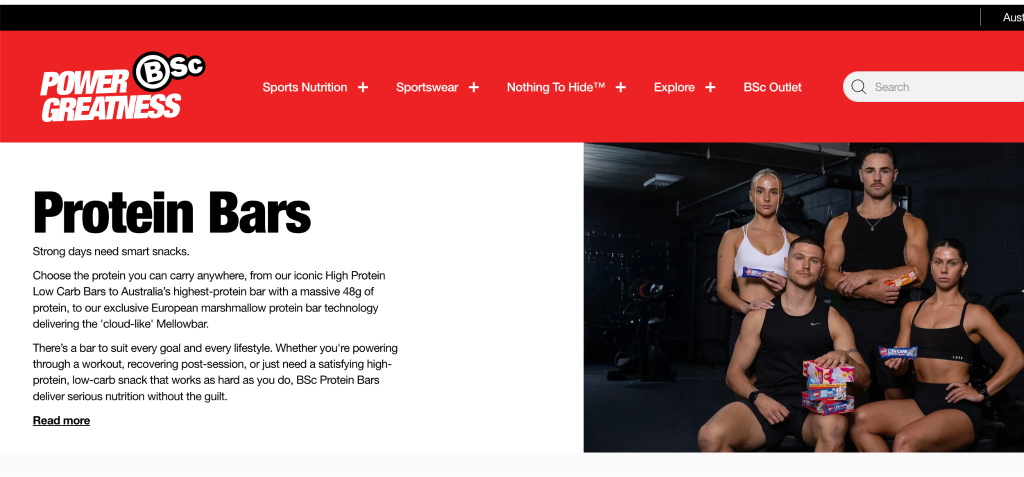
These examples demonstrate that successful brands often communicate the broader purpose of the product rather than limiting their messaging to its physical characteristics.
Using People Also Ask to Engineer Meaning
Google’s People Also Ask (PAA) results provide another valuable source of insight for Meaning Engineering.
Tools such as AlsoAsked allow marketers to explore the questions people ask before making a purchase. These questions often reveal the underlying causes driving demand, the situations consumers find themselves in, and the outcomes they hope to achieve.
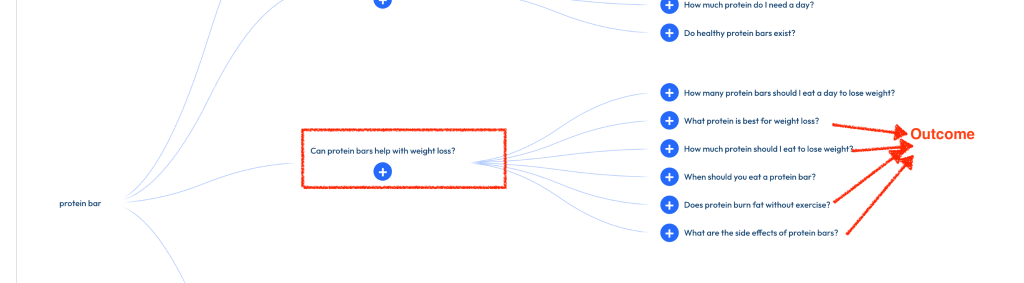
For example, questions such as:
- Are protein bars good for weight loss?
- When should I eat a protein bar?
- Can protein bars replace a meal?
- Do protein bars help build muscle?
go far beyond FAQs. They reveal how consumers think about the product and the role they expect it to play in their lives.
Rather than using People Also Ask solely as a source of FAQ ideas, brands can use it as a research tool to better understand customer motivations, identify content opportunities, refine product positioning, and create experiences that align with the complete customer journey.
Looking Beyond Keywords
Traditional SEO asks:
Which keywords should we target?
Meaning Engineering asks:
What causes people to seek this product, in what situations do they need it, and what outcomes are they ultimately trying to achieve?
That shift in perspective changes not only how we create content, but also how we design products, structure category pages, position brands, and uncover new growth opportunities.
In future articles, I’ll explore how Meaning Engineering can be applied to ecommerce websites to evaluate Concept Architecture. Simply, how brands represent the causes, situations, functions, and outcomes surrounding the products and services they sell.